
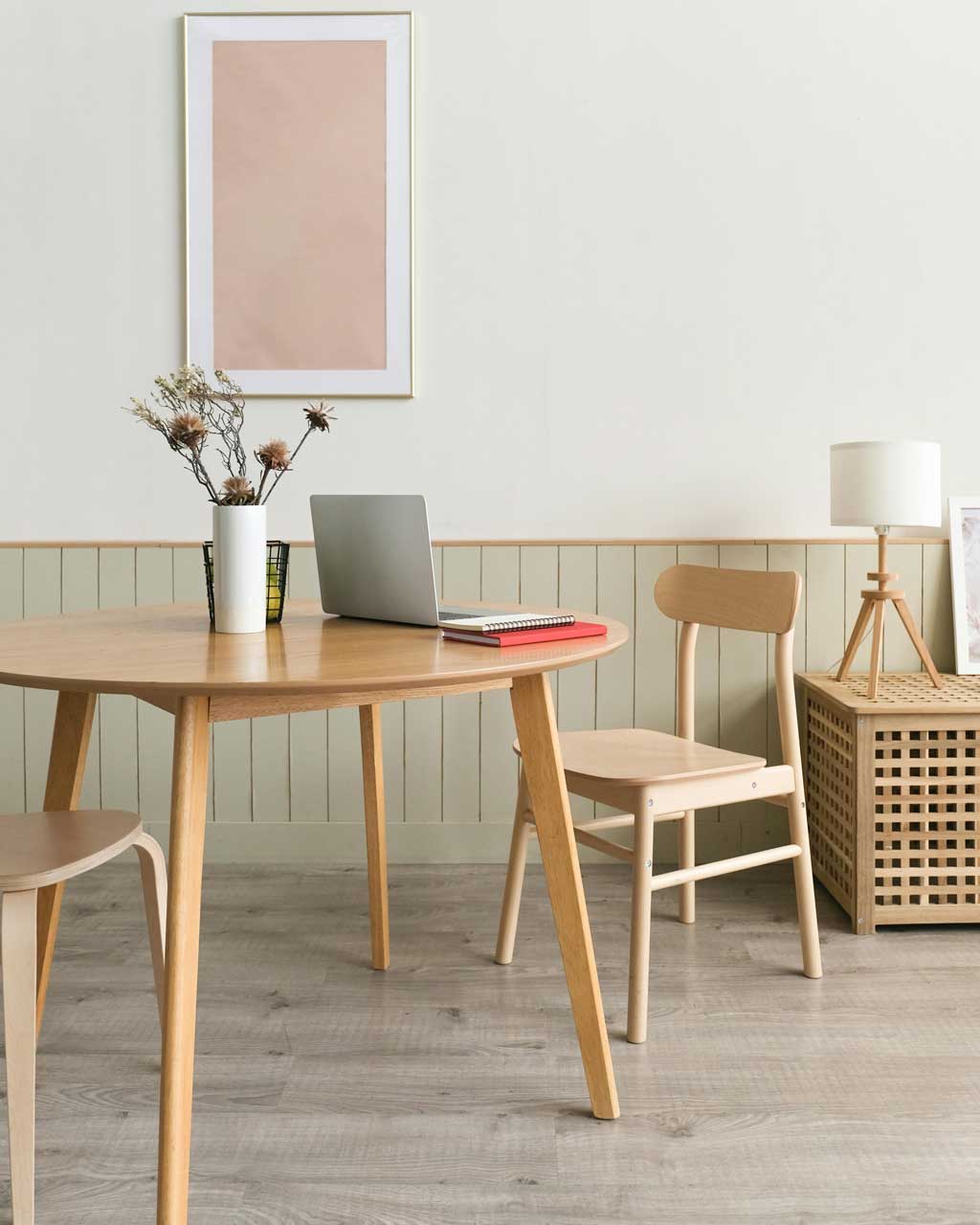
Upgrading an investment property doesn’t always require a major renovation or a costly overhaul. Many landlords and property investors are discovering that smart, budget-conscious updates can dramatically improve a property’s appeal — and its potential rental or resale value.
One of the simplest ways to lift the overall look is through vinyl floor tiles, which deliver a contemporary finish at a fraction of the cost of traditional materials.
Why Quick Makeovers Matter For Rental Properties
First impressions count, especially when prospective tenants or buyers step through the door.
A tired or outdated interior can easily put someone off. However, you don’t need to gut the place to make a difference — sometimes clever cosmetic changes do the trick. By focusing on visible surfaces such as floors, walls, and lighting, you can quickly transform the feel of a property and create a sense of quality without stretching your budget. These smaller updates can also help reduce vacancy periods and attract reliable tenants willing to pay a little more for a well-presented home.
The Advantages Of Vinyl Floor Tiles
Flooring is one area where cost-effective design has really advanced in recent years. Vinyl floor tiles come in a wide variety of finishes, including realistic wood, stone, and ceramic effects, so you can achieve the look you want without the expense. They’re durable, water-resistant, and ideal for high-traffic spaces like hallways, kitchens, and bathrooms — all areas that need to look immaculate when showing your property.
Unlike solid wood or natural stone, vinyl options are low-maintenance and easy to fit. Many modern versions simply click together or have adhesive backing, meaning you can install them yourself or keep labour costs minimal. They also handle moisture and temperature changes well, making them perfect for older buildings that might not have perfectly even floors or consistent conditions throughout the year.
Cost-Saving Potential And Return On Investment
For landlords managing multiple properties, keeping renovation costs under control is essential. Replacing worn-out carpets with vinyl flooring can modernise a home instantly while keeping future maintenance costs low. Since vinyl floor tiles are relatively inexpensive to replace, any damage caused by tenants can be fixed quickly between lets, reducing both downtime and expenses.
A refreshed kitchen or bathroom floor can also make marketing photos stand out — an important advantage when advertising on property portals. In most cases, you’ll recover the small upfront cost of vinyl flooring many times over in higher achievable rents and a faster turnaround between tenancies. It’s a simple change that offers tangible financial returns.
Easy Aesthetic Wins That Add Appeal
If you’re planning wider updates, consider pairing new flooring with other affordable upgrades for maximum impact. Repainting walls in light neutral tones can make rooms feel larger and brighter, while updating handles or tap fittings adds a modern touch. New lighting fixtures help to highlight your improvements and create a fresh, inviting atmosphere. These small, coordinated updates make your property look newer and well cared for — exactly what potential tenants want to see.
You can also use vinyl in creative ways to enhance different spaces. For example, wood-effect tiles in living areas bring warmth to the decor, while stone-look finishes add elegance to kitchens or bathrooms. Mixing styles strategically can make a standard buy-to-let feel like a thoughtfully designed home.
Keeping Renovations Simple But Effective
Property investors often juggle multiple projects, so renovations need to be both time-efficient and impactful.
Focusing on surface upgrades like flooring, paintwork, and fittings allows for maximum visual improvement with minimal disruption. Vinyl floor tiles are one of those updates that bridge the gap between cost and aesthetic appeal — making them a savvy choice for any landlord or developer looking to elevate a space quickly.
Featured image credit: Pexels.